Don't Skip the Sad Bit: Why British Drama's Endings Are Being Swiped Away
Photo: Unknown authorUnknown author or not provided, Public domain, via Wikimedia Commons
There is a particular kind of silence that follows a great British drama finale. It lasts about four seconds. Then a rectangle slides in from the corner of the screen and asks if you would like to watch the next episode. You would not. You would like to sit there for a minute. The rectangle does not care.
That is the autoplay ambush in miniature. As of November 2026, the closing credits of British telly are being treated less like the end of a story and more like a loading screen. The next-episode card arrives before the last shot has properly landed. The credits get shrink-wrapped into a quarter-screen box. A skip button pulses like a mild suggestion, then a less mild one. And somewhere in the middle of all that, a needle drop that was supposed to make you stare at the wall for five minutes gets cut off at the knees.
The Countdown Starts Before the Story Ends
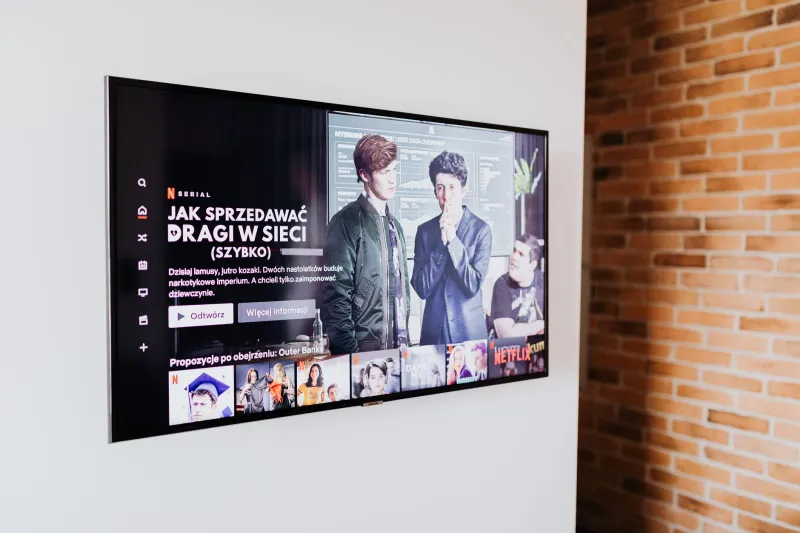
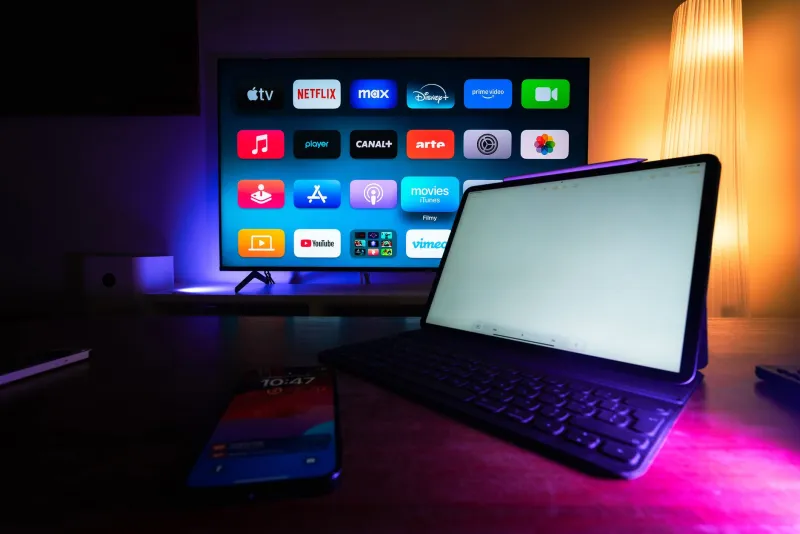
Streaming has spent years optimising the bit between episodes. Netflix UK, Prime Video and Disney+ all have their own versions of the same idea: when one episode ends, the next one should begin before your hand reaches the remote. On paper, it is a convenience. In practice, it is a verdict. The platform has decided that the credits are dead air, and it has built a user interface around that belief.
BBC iPlayer, ITVX and Channel 4 are not quite as aggressive, but the pressure is visible. Credits are squeezed. Prompts appear. The option to skip is always there, often pre-selected by muscle memory. You do not have to press anything to leave the ending behind; you just have to fail to stop it.
This matters because British drama has always understood the power of the final few minutes. Not just the plot resolution, but the decompression. The wide shot. The song. The strange little joke in the credits. The post-credit sting that makes you rethink the whole series. These are not extras. They are part of the text.
What Gets Lost When the Credits Are Treated as Dead Air
The closing credits are where a show exhales. They are also where it tells you what it was. A folk needle drop over a rain-soaked coastline is not decoration; it is the emotional thesis. A silent credit roll after a brutal finale is not empty space; it is the point. A mid-credits scene can be a wink, a warning or a whole second ending. All of that becomes harder to hear when the platform is already asking what you want to watch next.
The shrink-wrapped credit sequence is its own small insult. The names get smaller, the music gets backgrounded, and the screen becomes a menu again. The people who made the thing are reduced to a scrolling column in a corner while a thumbnail for a true-crime documentary takes up the rest of the display. British telly has a long tradition of credits as a mood piece: the theme tune, the title card, the final beat of sound before silence. Treating that as friction is a choice, not a law of nature.
And the post-credit sting? It has become a secret handshake for people who resist the countdown. That is not a fun bit of fan culture. It is a design failure. If a scene is important enough to shoot, it should not be hidden behind a button that most viewers have been trained to press.
Writing for the Button
Here is the uncomfortable question for UK producers: are you now writing endings for the autoplay button rather than the viewer? It is hard to blame anyone who is. If the platform will cut away the second the credits start, then putting a final emotional beat before the credit roll makes practical sense. If a post-credit sting might never be seen, push it earlier. If a slow fade risks being interrupted, make the resolution land faster.
That is rational. It is also a slow erosion of the thing British drama does best. We are not short of shows with a hook. We are short of shows that trust the audience to sit still. The weird, quiet, risky ending is part of this country's telly heritage, from the bleak final shot to the punchline over the credits. If every ending is designed to survive a countdown, the countdown starts writing the drama.
There is a commercial argument here too. Returnable series need a reason to come back, and streamers want the next episode to feel like the obvious next move. Fair enough. But an ending is not a bridge. It is a destination. If you treat every final scene as a handover, you eventually make it harder for viewers to remember why they cared in the first place.
The Shared Ending Problem
There is also the living-room issue. Watching a drama on a streaming service is already a private experience. The credits used to be the bit where you turned to whoever was on the sofa and said something obvious like 'well, that was bleak'. Now the next episode starts and the moment is gone. The algorithm has moved on before the humans have.
British telly has been slowly losing its shared endings for years. The watercooler moment gets replaced by the group chat, and the group chat gets replaced by the autoplay queue. That is not nostalgia for a golden age of continuity announcers. It is a simple observation: endings need a little space to become memories. A countdown does not give you space. It gives you a countdown.
A Modest Proposal
I am not asking for a revolution. I am asking for thirty seconds. Let the credits play. Delay the next-episode card until the music has finished. Offer a credits mode that does not look like a mistake. Stop treating the final shot as a gap between adverts, even when there are no adverts.
Some of this is on the platforms, but not all of it. Producers can keep writing endings that refuse to be rushed. They can put the sting somewhere it will be seen. They can make the final needle drop count. The best British drama has always been a bit stubborn. It should be stubborn about its last five minutes too.
The ending is not a loading screen. If telly keeps writing for the button, do not be surprised when viewers forget how to sit with a story.