The Reactor's Chair: British Telly Is Outsourcing Its Opinions
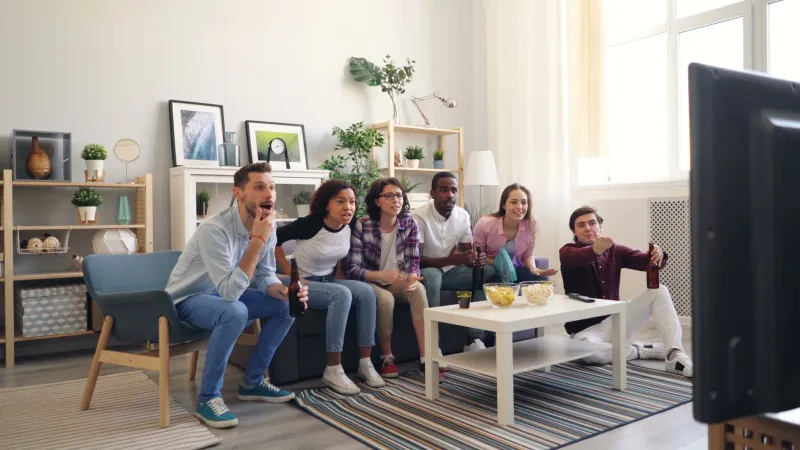
In 2026, it is entirely possible to spend an evening watching television without ever forming an opinion of your own. You can watch a show. Then you can watch someone else watch the show. Then you can watch a reaction to the reaction. Somewhere in the middle, a broadcaster will offer you a watch-along commentary track, a streamer will autoplay a reactor’s breakdown, and an AI channel will generate a soothing summary of what everyone else thought. It is telly as a relay race, and the baton is a hot take.
From sofa to reactor economy
Gogglebox was once the novelty: ordinary people on sofas, saying what we were all thinking, or at least saying something loud enough to make us laugh. More than a decade later, the format has become a production line. Clones have come and gone. Watch-along versions of big shows have become regular extras. TikTok and YouTube reactors have turned the pause button into a personality. And now AI ‘reactor’ channels are trying to automate the whole business, serving up synthetic surprise at a scale no human sofa can match.
The appeal is obvious. Reaction content is cheap, flexible and endlessly recyclable. It also fits the way we watch now: second-screen, half-distracted, hungry for company. A reactor is not just a critic. They are a companion, a laugh track with a face, a way of feeling part of the conversation without having to start one.
The comfort of borrowed takes
There is a reason this stuff works. Watching someone else enjoy a show can be genuinely pleasurable. It can make a joke land harder. It can make a scary scene feel like a shared experience rather than a lonely one. For people who live alone, or who are tired, or who simply want to switch off the part of the brain that decides whether something is good, a reactor offers a ready-made response. You do not have to work out whether the twist was earned. Someone will tell you.
But comfort has a cost. When we outsource our opinions, we also outsource the muscle that forms them. Reaction formats reward volume, speed and certainty. They are not designed for nuance. They are designed for the moment, the clip, the thumbnail. A show that asks a difficult question can be reduced to a fifteen-second gasp. A complicated performance becomes a reaction face. The take arrives before the thought.
The problem with second-hand opinions
This is not about snobbery. Some reactors are thoughtful, funny and genuinely illuminating. Some watch-alongs add real value, especially for shows that reward a second look. The issue is the sheer volume of pre-chewed response. When every programme arrives with a built-in commentary, we start to lose the habit of sitting with something and deciding what we think. We look for the consensus before we have even checked our own pulse.
There is also a creative problem. If commissioners know that a show will be chopped into reaction clips, they may start making telly that is designed to be reacted to rather than watched. Bigger twists. Louder confrontations. More moments that can be paused on a face. That is not necessarily bad, but it is a different kind of television. It is telly that performs its own audience response before the audience has had a chance to respond.
And then there is the AI question. A synthetic reactor can mimic surprise, delight or outrage, but it cannot actually care. It can generate a take at industrial scale, but it cannot tell you why a scene mattered. The more of this stuff we watch, the more we risk mistaking the performance of opinion for the real thing.
Will we tire of it?
Probably. Not of reaction content entirely — Gogglebox has survived because it does something real, and watch-alongs can be a genuine pleasure. But we may tire of the lazy version: the reactor who adds nothing, the commentary track that fills silence, the AI channel that turns criticism into content slurry. Fatigue is already visible in the way audiences drift toward reactors who actually have something to say. The form is not going away. The weakest versions of it might.
The bigger question is whether we want to keep outsourcing our taste. There is a quiet radicalism in watching a show, turning off the commentary, and deciding for yourself whether it was any good. In 2026, that should not feel like a bold act. But here we are. Watch telly. Then say what you think. It is not a revolutionary gesture. It is just becoming a rarer one.