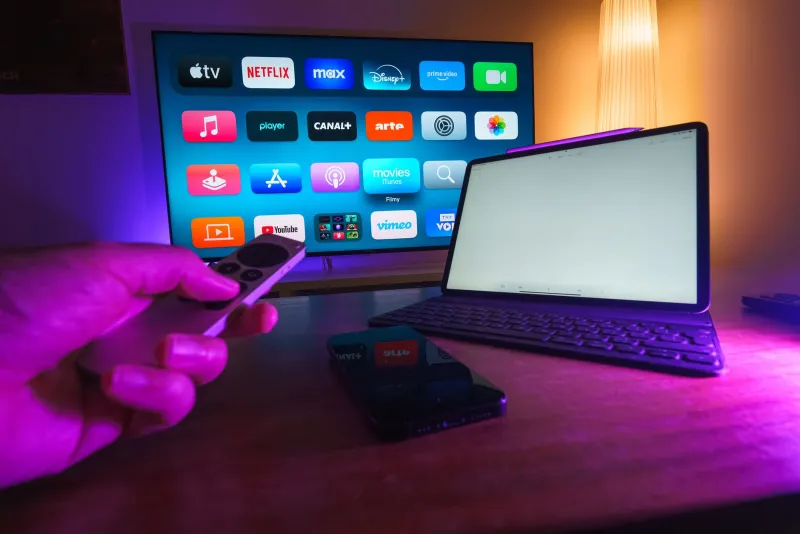
The Credits Are for Someone Else: How Autoplay Is Eating the British Ending
Photo: PhotoPicker13, CC BY-SA 4.0, via Wikimedia Commons
There is a certain silence that follows a really good episode of British telly. Not the silence of a cliffhanger — that is a different noise, more of a yelp — but the silence of a full stop. The screen goes dark. A theme tune starts. You sit for a second, unsure whether to move. In 2026, that second is increasingly filled by a five-second countdown and a button that says, in effect: do not think, continue.
This is not a rant about convenience. Autoplay is convenient. It is also a quiet commissioner. Every time a platform puts a next-episode prompt on the screen before the credits have finished, it is making a judgment about what an ending is for. And British telly, which has spent decades perfecting the art of the unresolved, the lingering and the slightly awkward stop, is changing its endings to survive the interface.
The countdown does not read scripts, but it shapes them
Streaming services are in the retention business. A show that keeps you watching is a show that gets renewed, promoted and pushed. The next-episode button is the most visible part of that machine: a small, polite nudge that treats the end of an episode as a problem to be solved. For writers, the lesson is not lost. If the audience is one thumb-twitch away from leaving, you give them a reason to stay. That reason is rarely a long shot of a kitchen at dawn.
The cliffhanger used to be a choice. Now it is a default. Not every episode needs a body in a boot, but more and more of them end with a door opening, a phone buzzing, a name whispered. The ending is no longer a place to land; it is a handover. And the handover has to be exciting enough to compete with the countdown.
The British ending was never just a plot twist
British telly has a long history of endings that resist the neat hook. Think of the kitchen-sink dramas that end on a look rather than a line. Think of the sitcoms that end on a punchline and then let the credits roll over a still of the set. Think of the dramas that give you the long fade — the hospital corridor, the rainy window, the family sitting in silence. These endings are not lazy. They are a mood. They trust the audience to sit with what just happened.
Autoplay does not trust the audience to sit. It trusts the audience to scroll. That is a different relationship. The long fade becomes a risk. The quiet ending becomes a liability. And the credits, which used to be part of the ending, become a place where the platform can put a button.
Comedy loses its button
British comedy has its own grammar of endings. The final joke, the tag, the theme tune, the slightly shambolic credits. In a sitcom, the ending is often a release valve: you laugh, you relax, you realise the episode is over. Autoplay cuts that release valve. The next episode starts before you have finished laughing.
Writers know this. So the tag scene — the little bonus joke after the credits — becomes harder to justify. Why write a post-credits moment if the platform is already pushing you into episode two? Some shows still do it, but it is a gift to the faithful, not a part of the main event. The button has become the real final joke.
Every episode wants to be a pilot
In drama, the pressure is different but related. The next-episode button rewards momentum. It punishes the episode that takes a breath. That is why so many British dramas now end their third episode with a sting, their fourth with a reveal, their fifth with a betrayal. The quiet episode, the one that lets characters sit with the consequences, starts to feel like a luxury.
This is not purely the fault of autoplay. The shift to shorter seasons, the rise of the six-part event, the way streamers commission — all of it plays a part. But the interface is the daily reminder. It is the silent commissioner in the room. It does not give notes, but it does give data. And the data says: hook them.
What we lose when nobody watches the credits
The credits used to be a landing. You would hear the theme tune, see the names of the crew, and let the episode settle. In a shared living room, the credits were the moment you turned to someone and said, 'What did you think?' They were the start of the conversation, not dead air.
Autoplay answers that question before you ask it. It replaces the post-match analysis with the next fixture. It is efficient, but efficiency is not the same as appreciation. The credits are also where a lot of British telly does its quietest work: the location name, the dedication, the song that tells you what the episode was really about. Skip them and you miss the last line of the script.
The ending is not a failure of momentum
None of this means writers should start writing boring endings. It means we should notice what the countdown is teaching them. The next-episode button is not evil; it is just very good at its job. But its job is to keep us watching, not to let us finish. And there is a difference between a show that never lets you breathe and a show that knows when to stop.
The best British endings still do both. They give you a reason to come back, and they give you a reason to sit still. In 2026, that balance is harder to find. The five-second goodbye is always waiting. Sometimes the most radical thing a show can do is make you wait for it.