The Menu Is the Message: How Smart TV Home Screens Shape What Britain Watches
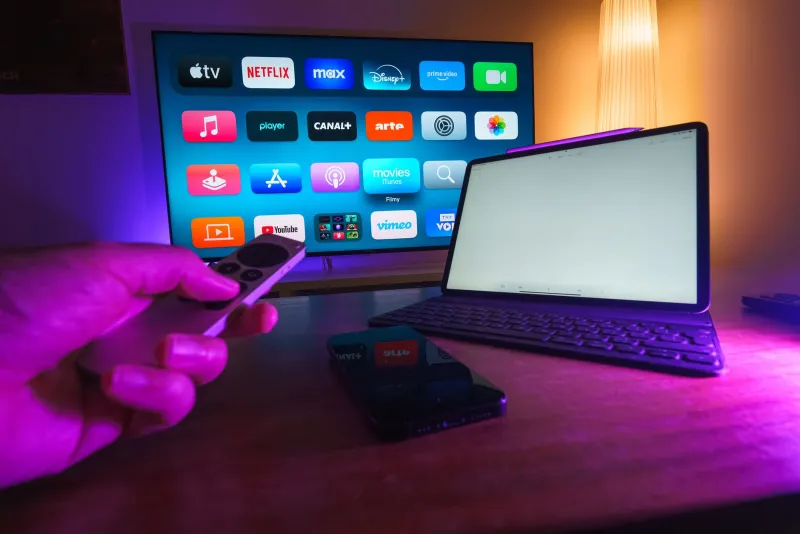
Walk into a British living room in 2026 and the telly is already talking before anyone has chosen a channel. The screen wakes up to a carousel of faces, a row of 'Continue Watching' tiles, a trailer for a show nobody asked for and a sponsored strip for a streaming service that has paid for the privilege. The iPlayer app is there, somewhere, but it is not the first thing you see. That is the quiet shift worth paying attention to: the smart TV home screen has become British telly's most effective commissioner, and it does not need to sit in a scheduling meeting to do it.
The new front page
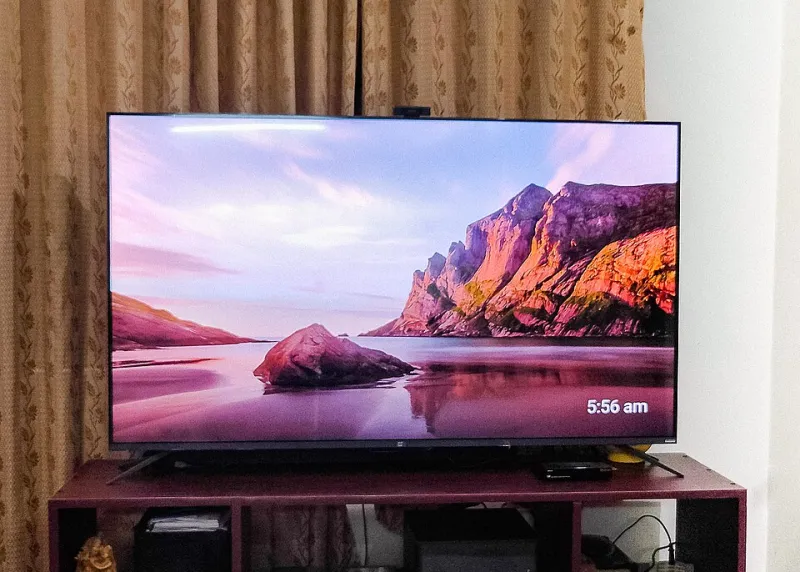
The home screen is not a neutral lobby. It is a front page, and like any front page it has a hierarchy. Samsung's Tizen, LG's webOS, Amazon's Fire TV, Roku and Google TV all dress themselves up as helpful assistants. In practice they are operating systems with bills to pay, and the most valuable space on the screen is the space that gets seen first. A 'featured' carousel is the digital equivalent of the old TV Times cover, except the cover is different in every household and parts of it can be sold by the slot.
For decades, British viewers had a shared map of the evening. You knew where BBC One was, you knew what ITV was pushing, and the Radio Times did the rest. That map has not disappeared, but it has been shoved down the screen. The first thing many households see now is not a channel or a broadcaster. It is a menu, curated by a company whose main business is selling televisions or fire sticks, not making programmes.
The sponsored shelf
Prime real estate on a smart TV is not cheap, and it is not subtle. Sponsored rows sit alongside recommendations, often dressed in the same typeface and the same thumbnail style. A new British drama with a Radio Times cover and a trail after Strictly still has reach. A smaller comedy with no paid campaign relies on organic placement, word of mouth and whatever the algorithm decides is 'relevant'. The algorithm is not a critic. It is a shop assistant, and it has been told to keep the shelves looking busy.
This matters because British telly has always had a marketing hierarchy. The big shows got the big push. But at least the push was visible to everyone. Now the push is personalised, and the un-pushed show can vanish into row six without ever being rejected by a human being. It has not been cancelled. It has simply been outbid for the first screen.
Autoplay and the tyranny of the preview
Autoplay trailers are the other giveaway. The telly starts selling before you have found the remote. Sometimes that is useful: a quick look at a new thriller, a reminder that a favourite comedy is back. Sometimes it is exhausting: a loud preview for a film you would never watch, playing over the top of a quiet opening scene you were trying to find. Either way, the home screen is learning what holds your attention, and it is using that knowledge to shape the next round of recommendations.
For a new British comedy, a fifteen-second autoplay clip might be the only trailer anyone sees. If the clip is bad, it is not a bad trailer. It is a bad show, as far as the viewer is concerned. That is an enormous amount of power to hand to a preview that was probably cut by a marketing team under pressure and squeezed into a format designed for scrolling, not storytelling.
Freely and the fight for the first click
Freely, the joint venture from the BBC, ITV, Channel 4 and Channel 5, arrived in 2024 with a sensible pitch: live channels and streaming apps in one place, no aerial required. It is a proper British answer to a proper British problem. But it also makes the interface the battleground. Freeview in 2002 was an electronic programme guide. Freely is a recommendation engine, and recommendation engines have opinions.
The first click matters more than it used to. If a viewer opens the telly and sees a live Channel 4 documentary sitting next to a Netflix true-crime hit and a Prime Video football documentary, the fight is no longer just about scheduling. It is about adjacency. It is about which logo looks like the default, which row feels like the main event and which show gets the thumbnail that makes someone stop scrolling. Public service broadcasters can argue about prominence all they like, but prominence is now a design decision as much as a regulatory one.
What happens to the show without a budget
Here is the uncomfortable bit. The smart TV home screen rewards shows that can afford to be there. That does not mean the best shows always lose. It means the quiet ones need a different kind of luck. A niche documentary, a regional drama, a new writer's comedy with a small marketing pot: these are exactly the programmes that benefit from a fair hearing, and exactly the ones most likely to be buried under a sponsored row for a franchise film.
Word of mouth still matters. The group chat is still a commissioner of sorts. But the group chat needs a first episode, and the first episode needs a first click. If the telly never surfaces the show, the conversation never starts. British telly has spent years worrying about noisy endings, slow starts and spoiled surprises. The quieter problem is earlier than all of that: the show has to be found before any of it can be argued about.
The commissioner in the living room
None of this is a conspiracy. TV operating systems have to make money, and televisions are sold on thin margins. The people choosing what appears in row two are not villains; they are product managers, ad ops teams and licensing executives doing a job. But the effect is a new kind of gatekeeping. They do not greenlight programmes, but they decide which ones get a fair hearing. That is commissioning by another name.
For viewers, the useful move is to notice the menu for what it is. Scroll past the sponsored shelf. Open the app you actually pay for. Look for the show that has not been given a trailer. For programme-makers, the question is no longer just 'Is it on iPlayer?' It is 'Can anyone find it before the kettle boils?' In 2026, the first screen is the first review, and British telly ignores it at its peril.