The Pause Is the Point: How Ad-Funded Streaming Became a Cliffhanger Machine

There is a particular kind of silence in ad-funded streaming. It is not the buffering wheel of old broadband, or the dead air when someone pauses to put the kettle on. It is the engineered pause: the fade to black, the logo, the sudden drop into a commercial break that arrives exactly when a character has opened a door, found a body, or said the words “I need to tell you something.”
In 2026, ad-supported streaming is no longer the cheap cousin of the subscription tier. It is a major part of how UK telly gets made, paid for and watched. ITVX, Channel 4 and the rest have spent years refining their ad tiers, and the result is not just more commercials. It is a different grammar of pacing — one where the break is part of the story.
The break as a beat
For decades, British linear telly understood the ad break as a structural fact. ITV and Channel 4 built their evenings around it. Writers knew that a 60-minute drama was really three acts with two interruptions, and they wrote towards those interruptions. The cliffhanger before the break was not a gimmick; it was the job.
Streaming was supposed to kill all that. The binge model promised no interruptions, no scheduling, no “we’ll be back after the break.” You watched at your pace, and the story unspooled without commercial punctuation. But the rise of ad-funded tiers has brought the punctuation back — and this time it is being placed with data, not just instinct.
Watch closely and you can feel it. A reveal lands, the music swells, and the screen cuts to an advert for a car you will never buy. It happens too often to be accidental. The pause is being engineered around the moments that make you least likely to leave.
The economics of suspense
This is not a conspiracy; it is an economic reality. Ad-funded streaming needs viewers to stay in the room. If a break arrives at a natural lull, you might check your phone, make tea, or decide that the episode can wait. If it arrives at a cliffhanger, you are more likely to sit through the ads to find out what happens. The cliffhanger becomes a retention tool.
The platforms would probably call it “optimised placement.” Critics might call it manipulation. The truth is somewhere in the middle. Telly has always been shaped by its funding model. The BBC’s lack of ads shaped its pacing. ITV’s breaks shaped its drama. Ad-tier streaming is simply the latest version of that bargain — except the algorithm now has a say in where the tension lands.
ITVX and Channel 4 have both leaned into ad-funded streaming as a core part of their strategies. For viewers, it means access without a subscription. For producers, it means thinking about breaks again — not as an afterthought, but as a creative constraint. Some shows handle it well, building natural act breaks that feel earned. Others feel like they have been edited by a spreadsheet.
The betrayal of the binge
The promise of streaming was freedom from the schedule. You could watch three episodes in a row without a single advert, and the story could breathe in whatever rhythm it liked. Ad-tier telly quietly rolls that back. It does not just interrupt the binge; it redesigns the episode around the interruption.
That can feel like a betrayal if you remember the early Netflix years. But it is also a return to something older. British telly was built on ad breaks, and some of its best shows were written for them. The cliffhanger before the break is a craft skill, not a crime. The question is whether the pause is being used to serve the story or to serve the advertiser.
When it works, you barely notice. The break lands at a natural turning point, and the adverts feel like a interval rather than an ambush. When it does not, you feel the machinery. A character repeats a line for no reason. A reveal is stretched just long enough to fill the gap. The episode stops being a story and becomes a delivery system for tension.
What good telly does with the pause
The best ad-tier shows treat the break as a scene change, not a hostage situation. They give you a moment to breathe, then pull you back with something new. The worst ones mistake a cliffhanger for a plot. They end on a shock, return from the ads with a recap, and then explain what you already saw. That is not storytelling; that is stalling.
For telly obsessives, the tell is in the rewind. If you find yourself skipping back after a break because the recap has muddled the timeline, the pause has failed. If you find yourself still thinking about the episode the next day, it has probably worked.
Ad-funded streaming is here to stay. The licence fee debate, the cost-of-living squeeze and the sheer number of platforms have made sure of that. The mid-roll break is not going anywhere. But how it is used matters. The pause can be a smart compromise — a way to fund ambitious telly without asking viewers to pay upfront. Or it can be a cynical tool that turns every episode into a series of hooks.
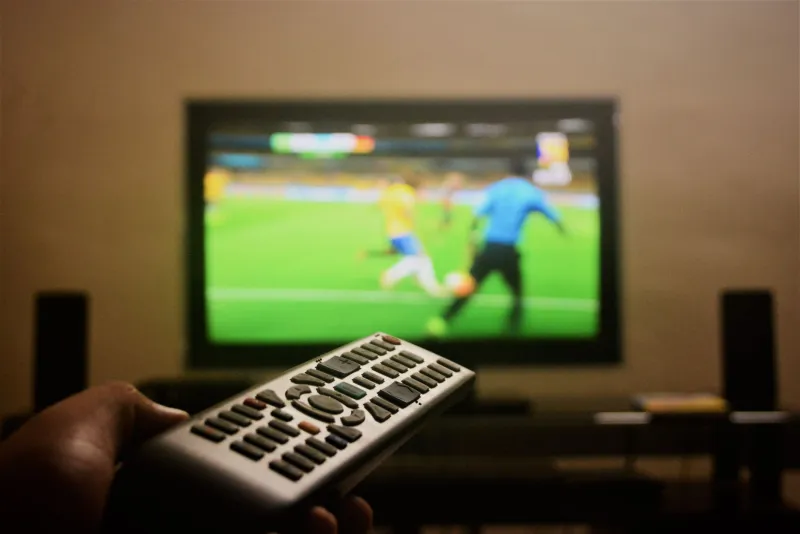
The difference is not technical. It is editorial. The platforms that respect the story will use the break to sharpen it. The ones that do not will keep cutting to black at the worst possible moment and wondering why we reach for the remote. In 2026, the cliffhanger is no longer just a plot device. It is a business model. And we are all watching to see what happens next.