The Rights Stuff: Why Cult British Telly Still Gets Stuck Behind the Search Bar
There's a particular kind of telly disappointment that only really lands on a sofa in the UK. You type the name of a show you've been thinking about for years — something cult, something cancelled too soon, something you half-remember from a wet Saturday — and the search bar just stares back. No results. Not on iPlayer, not on ITVX, not on Channel 4, not on any of the big American streamers pretending to be British telly's best mate. It isn't a glitch. It's the archive economy, and it's a mess.
The archive is not a library
We've been trained to think of streaming catalogues as libraries. They aren't. A library has a collection; a streaming service has a series of licensing deals with expiry dates. The show you want isn't one single thing that a platform can simply pick up and put on a shelf. It's a stack of rights: the underlying format, the scripts, the recorded performances, the footage, the music, the title, the cast contracts, the union agreements. Any one of those can hold the whole thing hostage.
British telly is especially good at this because so much of it was made by different companies for different broadcasters under different deals. A programme can be owned in part by a production company that no longer exists, administered by a rights body, repeated on a niche channel and held in an archive that has the tapes but not the permission to stream them. That's before anyone has even thought about the music.
Music is where the money goes
If you want to understand why your favourite old drama is missing, start with the needle drops. British shows in the 1990s and 2000s were often built around chart music. A scene cut to a big hit wasn't just a mood; it was the joke, the memory, the whole point. But the original broadcast deal probably covered telly transmission, not global streaming. Clearing a track for streaming means going back to labels, publishers, composers and sometimes estates. Multiply that by every song in every episode and the invoice starts looking like a mortgage.
Some shows replace the music. Sometimes it works. Often it doesn't. A library cue where a recognisable anthem used to be is like watching a mate's wedding video with the first dance dubbed over by lift music. The show is technically there, but the thing that made it feel like itself has been sanded off. And if the rights holders can't agree, the platform doesn't get a scrubbed version — it gets nothing.
The missing-master problem
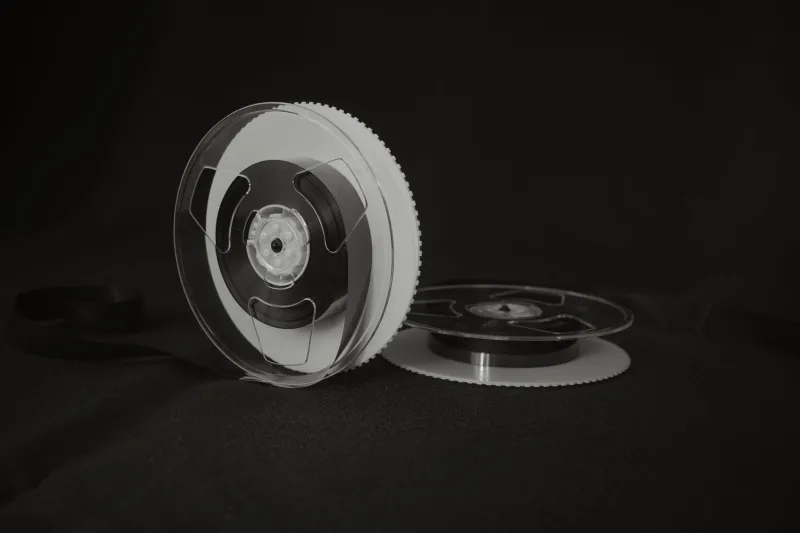
Then there's the physical stuff. Not every British show exists as a pristine digital file waiting to be uploaded. Some masters are missing, damaged or sitting in a facility that nobody has thought about since Gordon Brown was in Number 11. Older tape formats need restoration. Audio needs work. Colour needs checking. Someone has to sit down and work out what the correct episode order actually is, because the paperwork is patchy and the DVD release from 2004 made a few guesses.
Restoration costs money, and for a cult show with a small but devoted audience, the maths is brutal. A platform can spend a fortune clearing and remastering a 20-episode sitcom that will be watched by a few thousand people, or it can buy a shiny new reality format that will be watched by millions. Guess which one wins.
Contracts written before your phone existed
A lot of British telly was made under contracts that didn't see streaming coming. Actors, writers and directors signed deals for broadcast and video, not for a global platform where the show might sit for a decade. Residuals, repeat fees and consent rights can all become sticking points. Sometimes a single holdout — an actor, an estate, a writer who has fallen out with the producer — is enough to stall a whole series.
This is not always greed. People are entitled to be paid for their work being used in ways they didn't agree to. But the result for viewers is the same: the show is out there, somewhere, and you can't watch it legally without buying a second-hand DVD from a man on eBay who describes it as "rare" and charges £48.
The platform maths
Streaming services don't commission the archive out of nostalgia. They do it for retention, and British back catalogue is a funny kind of retention. It's beloved, but it's also old, niche and often owned by someone else. Ad-funded streamers need rights that allow advertising. Subscription services want exclusivity. Free ad-supported channels want volume. A show can turn up on a specialist platform for six weeks, vanish, and reappear somewhere else with three episodes missing because the music clearance ran out.
That's why the search bar feels so cruel. It's not that nobody has thought of putting the show online. It's that the deal is too complicated, too expensive or too legally foggy to bother with. In 2026, we have more platforms than ever and still can't reliably watch some of the telly that shaped the last thirty years.
Why it matters more than nostalgia
This isn't just about wanting to rewatch a sitcom you loved at 15. British telly is part of the country's cultural record. If a show isn't streaming, it's effectively invisible to anyone who didn't tape it, buy the DVD or stumble across a clip on YouTube. That's a strange way to treat our own archive. The broadcasters have done good work on some of it, but the rights maze means the archive is always going to be patchy.
So next time you refresh the search bar and get nothing, don't assume the show has been forgotten. It probably hasn't. It's just stuck in a filing cabinet somewhere, waiting for a lawyer, a music publisher and an archive technician to agree on what it's worth. Streaming isn't a library. It's a shop with rotating stock. And in 2026, some of the best British telly is still out the back.