The Spoiler Is in the Post: Why Streaming Marketing Has Stopped Trusting the Audience
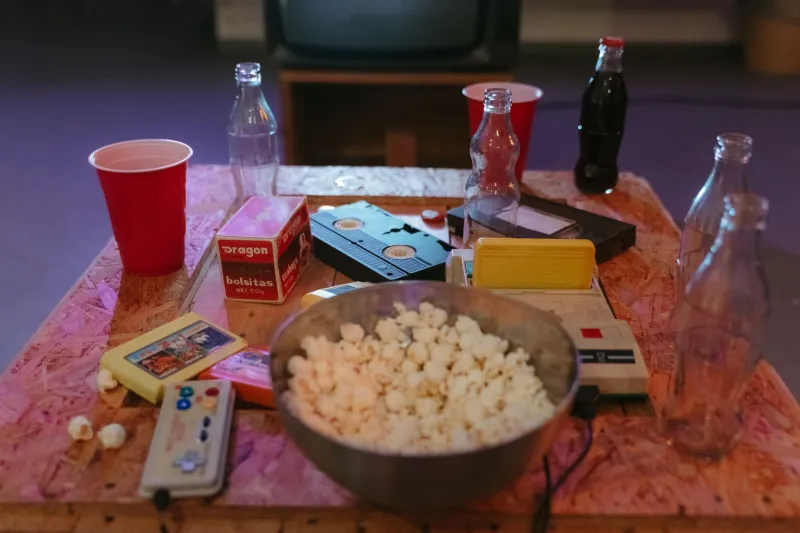
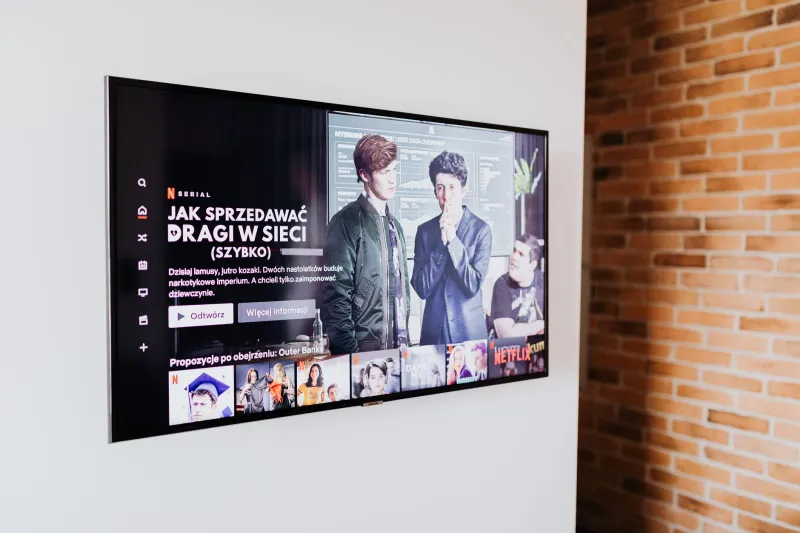
There is a particular kind of modern telly disappointment. You sit down for episode one, bowl of something salty within reach, and within ten minutes you realise you already know the big reveal. Not because you read a spoiler thread. Not because a mate forgot to type 'spoilers' before a message. Because the marketing told you. The trailer showed the character everyone thought was dead. The TikTok clip showed the kiss that was meant to land in episode four. The 'next up' promo, which autoplayed while you were still deciding whether to commit, showed the third-act chase. The surprise was spent before the opening credits had finished.
This is not a fringe complaint any more. It is the default way British telly gets sold. And it is worth asking why so much streaming marketing now behaves like a friend who cannot keep a secret.
The trailer has become the recap
A good trailer used to be a mood. A face, a place, a line of dialogue that made you lean forward without quite understanding why. Now trailers are often cut like mini-finales. They reassure you with plot. They introduce the detective, the body, the suspicious spouse, the shot of the character who is definitely not dead, and the bit where someone says 'this one is personal' in a way that suggests the writer has been paid by the syllable.
Marketing teams call this signposting. Audiences call it spoiling. The difference is whether you have seen episode four. A trailer is meant to make you ask a question. Too many now answer it before you have pressed play. They are not selling the show. They are summarising it.
TikTok knows too much
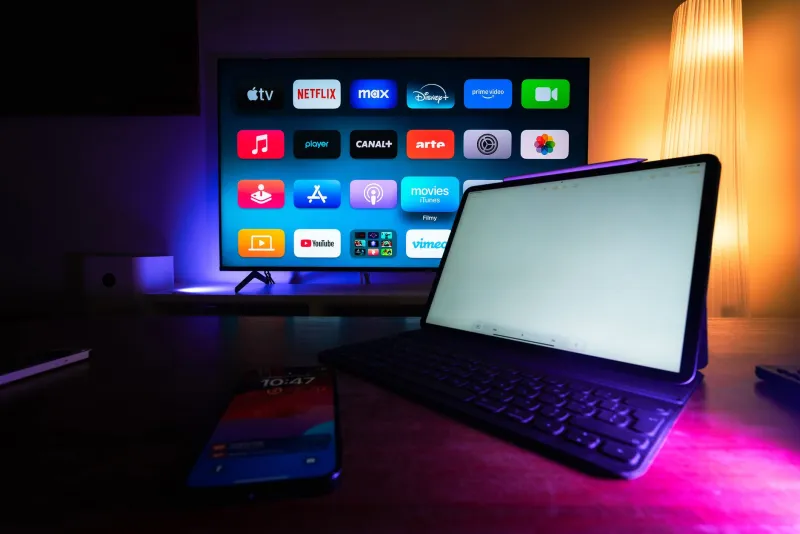
Short-form video has made the problem worse because it has no context. An official account posts a clip that works perfectly for people who are already three episodes in. The algorithm, being an algorithm, serves it to people who have not started. A casting surprise gets ruined by a red carpet interview. A returning character gets announced by a fifteen-second vertical video with a caption that begins 'the moment everyone is talking about'. Everyone is not talking about it yet. You have just told them what to talk about.
UK streamers are not alone in this. But there is something particularly self-defeating about the British version, because so much of our telly depends on word of mouth. A twist is not just a plot point. It is currency. It is the thing you trade in the group chat. It is the reason someone who missed the first episode decides to catch up. If the platform has already spent that currency on a pre-launch campaign, the audience has nothing left to pass around.
Why platforms do it
None of this is malice. It is metrics. Pre-launch awareness is easy to measure. A trailer that withholds the big moment is harder to justify in a meeting than one that shows the moment and gets a spike in views. There is also a genuine fear that if you do not show the twist, someone else will. A leak, a fan account, a tabloid sidebar. So the logic goes: better to spoil it on our terms than have it spoiled on someone else's.
There is also the 'next up' problem. Those little prompts are designed for people who are already watching. They land on people who are not. A 'next time' teaser used to be a treat at the end of an episode. Now it is an autoplay ambush. For a weekly show it is annoying. For a box-set drop it is actively daft. You have just told someone who was about to watch episode two what happens in episode six.
The platform is not trying to ruin the show. It is trying to keep you on the platform. But those two things are not the same, and the gap between them is where the spoilers live.
The cost is trust
A spoiler does not stop a viewer. It stops a recommender. People will still watch a drama if they know the twist, especially if the reviews are good. But they will not lean over to a colleague and say 'you have to see this, and do not read anything about it'. They will say 'it is meant to be good'. That is a different kind of recommendation. It is polite. It does not travel.
British telly has spent years building a reputation for surprise. A comedy that makes you gasp. A crime drama that kills the person you assumed was safe. A sci-fi series that casts someone you did not know was in it. Those moments are not accidents. They are the point. Marketing that gives them away is not selling the show. It is selling the memory of the show to people who have not made one yet.
What a smarter campaign looks like in 2026
It does not have to be a vow of silence. A trailer still has a job to do. The smart version shows tone, character and world. It gives you a face, a place, a question. It does not give you the third-act beat. It does not show the returning character in the first ten seconds. It does not put the kiss in the TikTok clip before the episode has aired.
A few practical things would help. Keep casting surprises out of pre-launch materials. Use episode-one-only clips for social. Make the 'next time' promo opt-in rather than autoplay. Release a spoiler-free trailer alongside the main one and let audiences choose. Use short-form video for mood, not plot. Trust that a good show can survive a little mystery.
The best trailers are the ones you cannot quite explain afterwards. You remember a look, a sound, a line. You do not remember the ending. That is not a failure of marketing. That is the whole trick. In 2026, with more telly than anyone can reasonably watch, the only thing that really travels is surprise. So please, streamers: stop posting it before we have seen it.